
Most Carmel homeowners who ask about wallpaper removal have already pictured the job: pull the paper off the wall, paint, done. The real wallpaper removal cost almost never comes down to the paper. It comes down to what the last installer left behind it — the adhesive they used, how many layers went up over the years, and whether the drywall was ever sealed before the first sheet was hung.

Below is what wallpaper removal actually costs in Carmel and across Hamilton County in 2026, what drives the number up or down, and why painting over the paper is usually the most expensive decision in the whole project.
What wallpaper removal cost looks like in Carmel, IN in 2026
These are the ranges we see on real homes in Carmel, Westfield, Zionsville, Fishers and Geist. They cover removal, adhesive washdown, light wall repair and priming the surface so it is ready for paint:
- Single accent wall or small powder room: $300 – $650
- Average 12′ x 12′ bedroom, one layer, cooperative adhesive: $500 – $950
- Kitchen or bathroom with cabinets and fixtures to work around: $700 – $1,400
- Large room, vaulted ceiling or two-story foyer: $1,000 – $2,800
- Multiple rooms or whole-home removal: $3,000 – $8,000+
- Measured by wall surface: roughly $2.00 – $4.50 per square foot
Treat those as ranges, not quotes. Two rooms with identical dimensions three streets apart can differ by a thousand dollars based on what is under the paper. That is the entire point of this article — and the reason we price every wallpaper job in writing after we have looked at the walls. You can see how we price the rest of our work on our Carmel painting prices page.
The paper is the cheap part
On most modern wallpaper, the printed top layer is designed to come off. A vinyl or peelable face will strip away in long sheets, and a single room can be stripped of its face layer in well under an hour. If that were the whole job, wallpaper removal would be a cheap line item.
It is not the whole job. Pulling the face off exposes the backing and the adhesive, and that is where the labor actually lives. The top layer is usually ten to twenty percent of the work. Everything you are paying for comes after it.
The adhesive is what you are actually paying for
Wallpaper adhesive varies enormously depending on the decade and the installer. Older wheat-paste adhesives soften with hot water and enzyme solution and come off reasonably well. Clay-based and heavy-duty vinyl adhesives from the late eighties and nineties behave differently — they were engineered not to let go.
The process is the same either way: score the backing where needed, apply solution or steam, let it dwell, scrape, then wash the wall down two or three separate times until no slickness remains. That washdown is not optional and it is not fast. Any adhesive left on the wall will reactivate when paint hits it, and the finish will bubble, crackle or flash months later.

Layers: wallpaper over wallpaper over wallpaper
In homes built around Carmel between the mid-eighties and early two-thousands, we regularly find two or three layers, plus a border strip at the ceiling line that was hung over the field paper.
Layers do not add cost in a straight line. The second layer takes longer than the first, and the bottom layer — the one that has been bonded to the wall for thirty years — takes longest of all, because moisture has to travel through everything above it to reach the adhesive. A three-layer room is not three times the work of a one-layer room, but it is comfortably more than double.
What is underneath: drywall, plaster and unsealed walls
This is the single biggest variable in any wallpaper removal cost, and the one nobody can see until the paper is off.
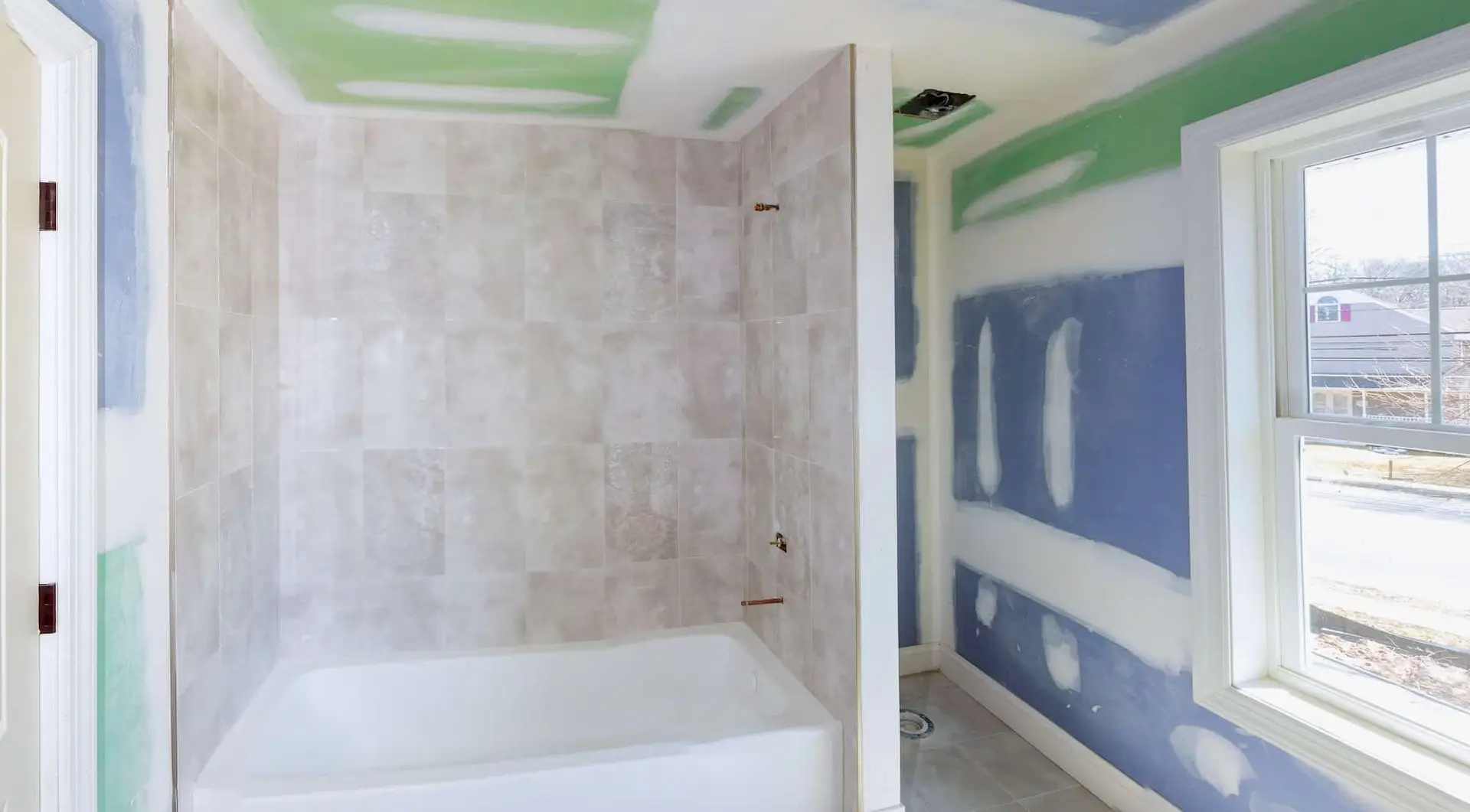
Drywall has a paper facing. If the installer primed or sized the wall before hanging, the adhesive bonded to the primer and the paper releases cleanly. If they hung wallpaper directly onto bare drywall — extremely common — the adhesive bonded to the drywall’s own paper face. Removal then tears that facing, leaving a fuzzy, gouged surface that cannot be painted as-is.
The fix is skim coating and drywall repair: a thin compound coat across the damaged area or the full wall, sanded flat, then primed. That is what turns a $600 bedroom into a $1,400 bedroom. Older plaster walls behave differently again — generally more durable under removal, but prone to revealing hairline cracks that need addressing before paint.
Why painting over wallpaper is the expensive choice
Painting over wallpaper is sold as the budget option. It is the opposite.
Latex paint carries moisture. That moisture travels through the paper and softens the adhesive underneath, which is exactly what you spent money trying to avoid. Seams telegraph through the finish within weeks. Edges lift. Corners and bathroom walls bubble first. The result usually looks acceptable for six to eighteen months, which is just long enough to feel like it worked.
When it fails, you pay for all of it: removing paper that now has paint bonded to its face, which is markedly harder than removing bare paper, plus the wall repair, plus repainting. You also carry it into a resale conversation, where a buyer’s inspector will note it and an agent will price it.
Removing it properly once costs less than removing it badly twice.
What moves the price up or down on a Carmel job
- Number of layers and whether a border was hung over the field paper
- Adhesive type — wheat paste releases, heavy vinyl adhesive resists
- Whether the drywall was sealed before installation, which decides if skim coating is needed
- Ceiling height — vaulted rooms, stairwells and two-story foyers require staging
- Room type — kitchens and bathrooms mean cabinets, tile, fixtures and tight cuts
- Texture or paneling hiding behind the paper
- Furniture, flooring protection and access during the working days
- Whether you want the walls painted afterward, which is usually the efficient move since the prep is already done
How Altavista quotes wallpaper removal
We do not quote wallpaper removal in Carmel sight unseen, and we would be cautious of anyone who does.
At the estimate we pull a small test section in an inconspicuous spot — behind a door, low in a corner — to see which adhesive is on the wall and what condition the substrate is in. That five-minute test is what separates a real number from a guess.
You then get a fixed written quote that states the scope, what is included, and what happens if we find hidden damage once the walls are bare. No hourly meter, no end-of-job surprise. If skim coating turns out to be necessary across a wall we did not expect, it is priced and approved before anyone starts, not added to an invoice afterward.

Wallpaper removal cost: frequently asked questions
Can I just paint over wallpaper instead of removing it?
Technically yes, and we strongly advise against it in a home you intend to keep. Paint moisture softens the adhesive behind the paper, seams telegraph through the finish, and edges lift. It typically holds up six to eighteen months, then costs more to correct than proper removal would have cost in the first place.
How long does wallpaper removal take?
A single cooperative room is usually one working day. A room with multiple layers, stubborn adhesive, or drywall damage requiring skim coating runs two to three days once repair and primer cure time are counted.
Does wallpaper removal damage drywall?
It can, and whether it does was decided before you owned the house. If the drywall was primed or sized before the paper was hung, it comes off cleanly. If the paper was hung on bare drywall, the facing tears during removal and needs skim coating and priming to take paint properly.
Is steam better than a chemical stripper?
It depends on the adhesive and the substrate. Steam is effective on heavy multi-layer jobs but introduces real moisture, which can be risky on older plaster or poorly sealed drywall. Enzyme solution with scoring is gentler and often faster on single-layer modern paper. We decide after the test patch, not before.
Does the price include repairing and priming the walls?
Our quotes include removal, full adhesive washdown, minor wall repair and priming so the surface is genuinely ready for paint. Extensive skim coating across damaged walls is called out separately and approved by you before the work happens.
What does it cost to remove wallpaper in one bathroom?
A small powder room with a single layer usually lands in the $300 to $650 range. A full bathroom with a vanity, tile and fixtures to cut around runs closer to $700 to $1,400. Bathrooms cost more per square foot than bedrooms because of the tight cuts and the moisture history behind the paper.
Do you charge hourly or a fixed price?
Fixed, in writing, before the work begins. Wallpaper removal is exactly the kind of job where hourly billing moves all the risk onto the homeowner, and we do not work that way.
Ready to get rid of it? If you have wallpaper you want gone in Carmel, Westfield, Zionsville, Fishers or Geist, we will come out, test the adhesive, look at what is underneath and give you a fixed written price with the scope spelled out.
Call Altavista Painting Pro at 317-850-8212 or request an estimate online, and you will know what the job costs before anyone touches a wall.
AltaVista Painting Pro is Carmel’s 4.9-star painting company — fixed written pricing, Sherwin-Williams and Benjamin Moore paints and a 3-year written warranty. Free in-home estimates across Hamilton County.