
A fresh paint job is one of the best upgrades you can make to a home, and smart paint care and maintenance is what keeps that upgrade looking new. With a simple routine, interior walls can stay sharp for eight to ten years, and exterior paint can hold its color for a decade or more. Skip the upkeep, however, and Indiana weather will find every weak spot. Freeze-thaw cycles, humid summers and hard spring rains all work against your finish.
This guide walks you through what to clean, when to inspect and how to fix small problems early. Follow it, and you will delay your next repaint by years.

Why Paint Care and Maintenance Matters More Than You Think
Paint is not just color. It is a thin, flexible shield that keeps moisture, sunlight and dirt away from your drywall, siding and trim. Once that shield cracks, water gets behind it. Then you are no longer dealing with a paint problem. You are dealing with rot, mildew or swollen wood.
That is the real reason paint care and maintenance pays off. A yearly wash and a tube of caulk cost very little. Replacing rotted fascia boards or repairing water-stained drywall costs a great deal more.
- It protects your money. A quality repaint is a real investment, so protecting it simply makes sense.
- It prevents bigger repairs. Sealed surfaces keep water out of wood, drywall and framing.
- It keeps curb appeal high. Clean, intact paint reads as a well-cared-for home to neighbors and buyers alike.
- It saves you time later. Small touch-ups take minutes, while full repaints take days.
Interior Paint Care and Maintenance
Indoor paint faces fingerprints, furniture, pets, cooking grease and steam instead of weather. Because of that, most interior paint care and maintenance is about gentle cleaning and quick repairs.
How to Clean Painted Walls Without Ruining the Finish

Start gentle, then escalate only if the mark stays. Dust first with a dry microfiber cloth or a vacuum brush attachment, since rubbing dry grit into paint creates fine scratches. Next, mix a few drops of dish soap into warm water. Wring your sponge out well so it is damp rather than dripping.
Wipe in a light circular motion, then rinse with clean water and blot the area dry. Work from the bottom of the wall upward, because drips running down a dry wall can leave streaks. Finally, test any new cleaner in a hidden corner first.
Just as importantly, know what to avoid. Skip abrasive powders, stiff brushes, bleach, ammonia and magic-eraser style pads on flat paint. All of them can burnish the surface and leave a shiny patch that stands out worse than the original mark.
Sheen matters here too. Satin, semi-gloss and gloss finishes scrub well, while flat and matte paints are far more delicate. If you are choosing colors for a busy room, our guide to picking the right paint finish for every room explains which sheen belongs where.
Handle Scuffs, Marks and Small Chips Quickly
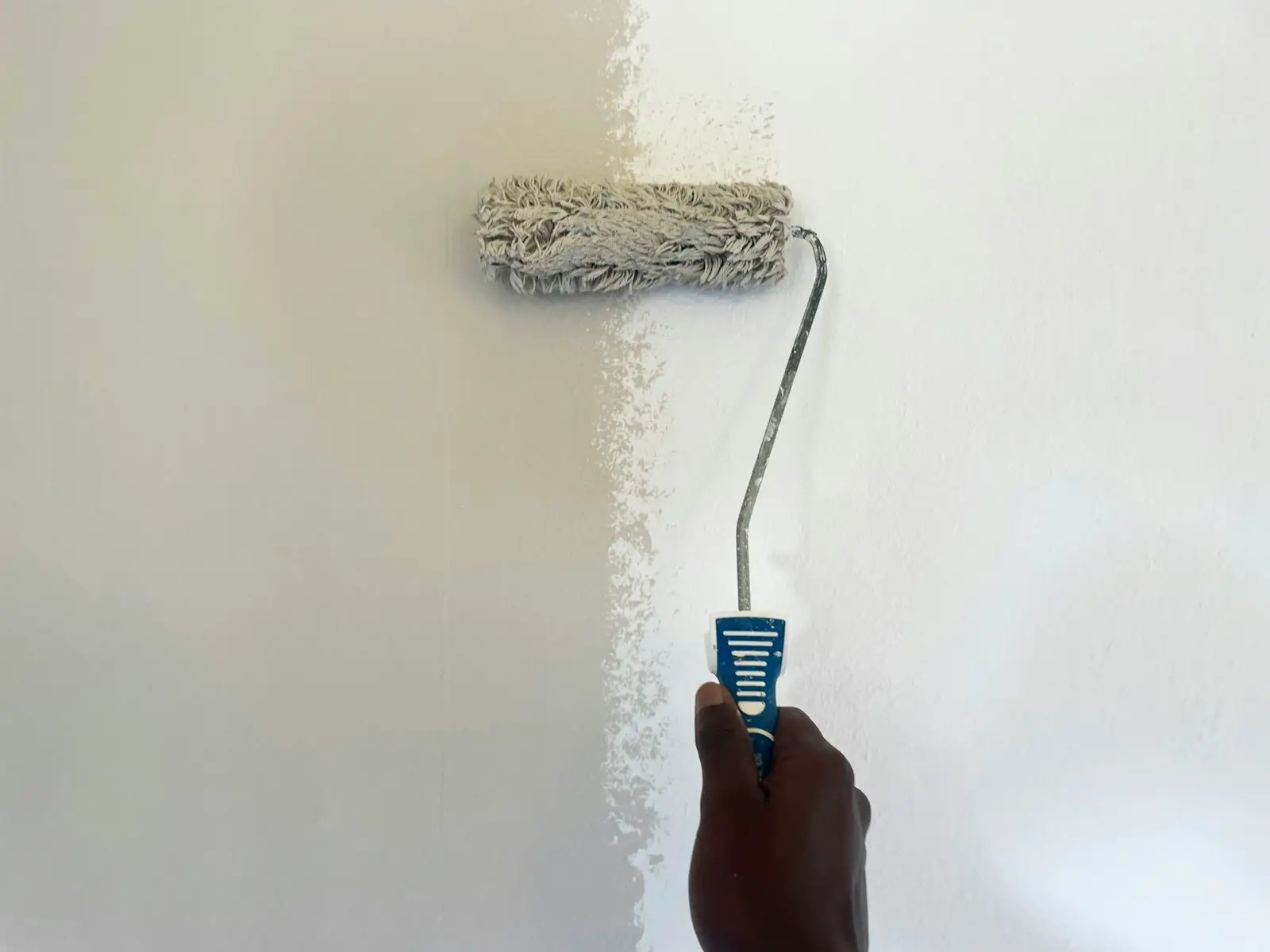
Touch-ups work best when you plan for them. Ask your painter to label leftover paint with the room, brand, color name and sheen, then store the cans somewhere that never freezes. A basement shelf works well. An unheated garage does not.
For a scuff or nail hole, fill the spot with lightweight spackle, let it dry, then sand it smooth with fine paper. Spot-prime the patch so it does not soak up your topcoat unevenly. After that, apply the paint with the same tool used originally. A mini roller blends into rolled walls, while a brush leaves visible texture.
One more tip: feather the edges outward instead of stopping in a hard line. If the repair still shows, repaint the whole wall corner to corner. That single wall will look far better than a patchwork of touch-ups.
Do Not Forget Trim, Doors and Baseboards
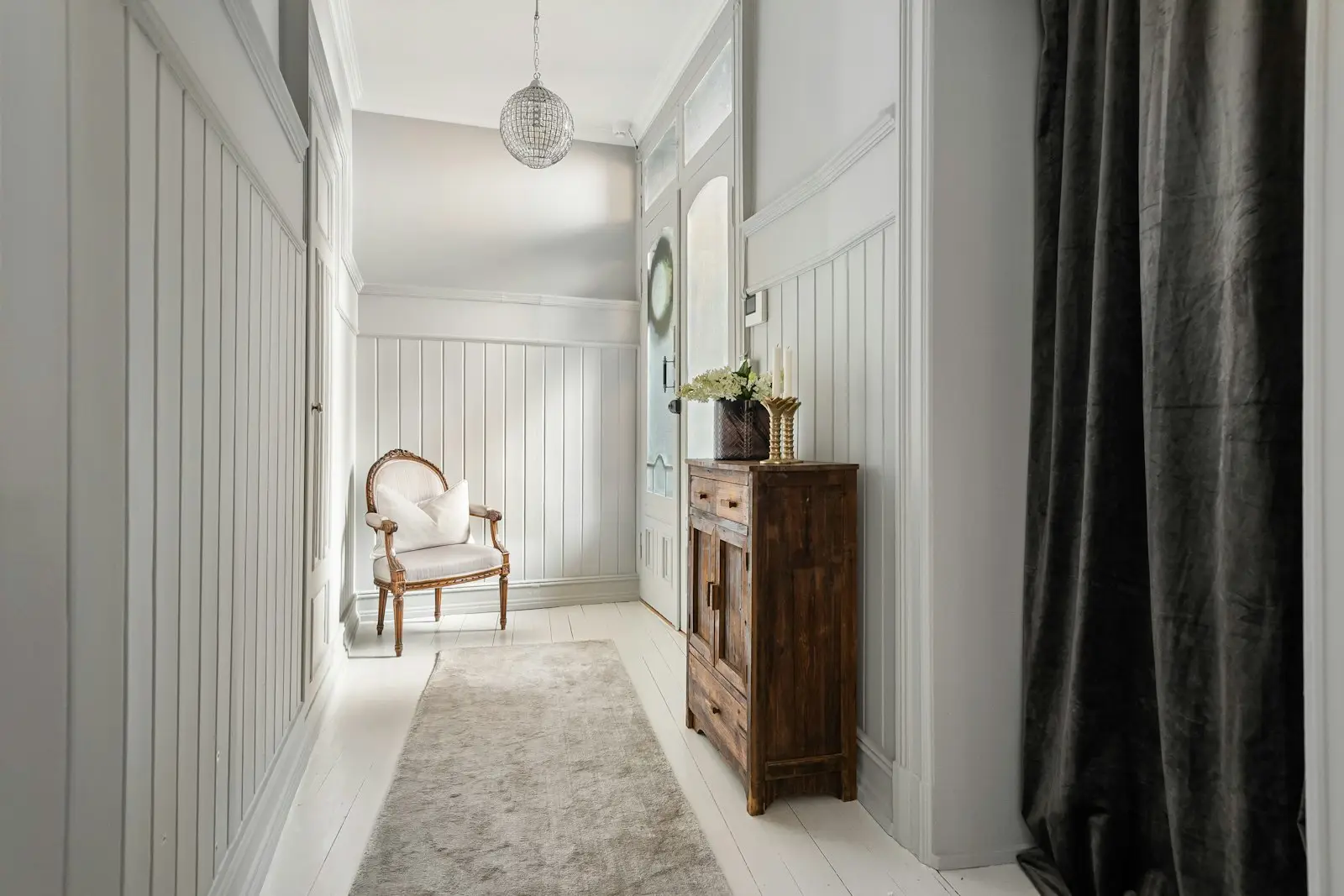
Trim takes more abuse than any wall in the house. Baseboards collect dust and vacuum scars, door edges collect handprints, and window sills collect condensation. Because trim usually wears a harder enamel, you can clean it more aggressively with a damp cloth and mild soap.
Check door and window sills for peeling every spring. Wherever paint lifts, moisture is getting in. Sand the loose edges, prime the bare spot and recoat before the problem spreads.
Paint Care and Maintenance in Kitchens and Bathrooms
Steam and cooking grease are the two biggest enemies of interior paint. In bathrooms, run the exhaust fan during every shower and for fifteen minutes afterward. In kitchens, wipe the wall behind the stove weekly so grease never builds into a film that resists paint later.
Watch corners and ceilings in these rooms for small dark specks, which usually signal mildew rather than dirt. Treat the spot, improve the ventilation, and only then repaint. Otherwise the mildew simply returns through the new coat.
Cabinet Paint Care and Maintenance
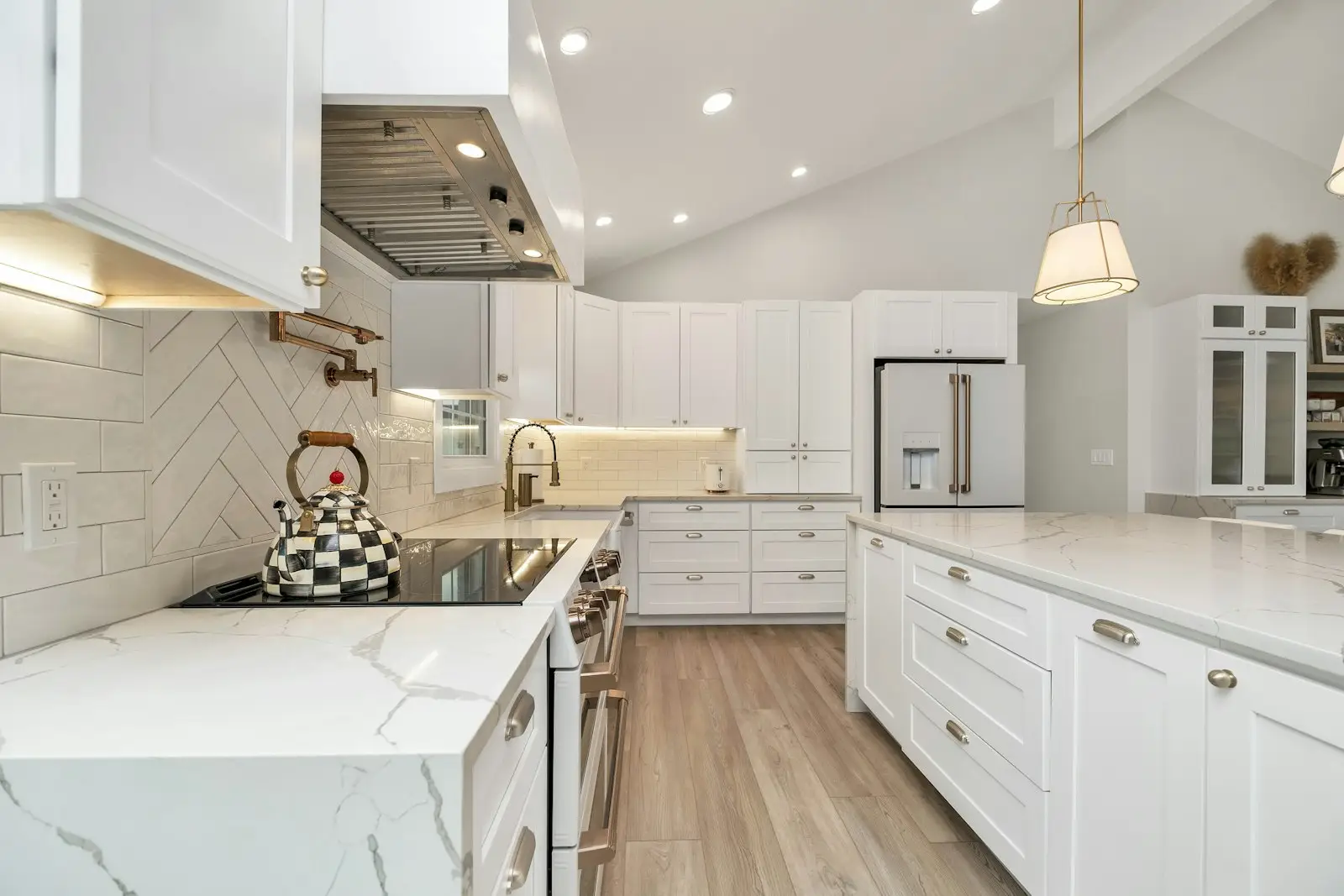
Painted cabinets look incredible, yet they live in the hardest-working room in the house. Fortunately, cabinet paint care and maintenance is simple once you know the rules.
- Wipe spills right away. Grease, coffee and tomato sauce all stain painted wood if they sit.
- Use mild soap and water. Harsh degreasers dull the sheen and can soften the finish over time.
- Dry the doors after cleaning. Standing water swells the seams where doors and frames meet.
- Skip the sprays near hinges. Cleaner that wicks into a joint lifts paint from the inside out.
- Add felt bumpers. Small pads stop doors from clacking against the frame and chipping the edges.
Also give a new cabinet finish time to fully cure. Most cabinet coatings feel dry within hours, but they keep hardening for two to four weeks. During that window, avoid taping anything to the doors and clean with water alone. If you are still weighing your options, compare the numbers in our cabinet painting services overview.
Exterior Paint Care and Maintenance

Outside, the enemies change. Sun, rain, snow, sprinklers and shrubs all attack your finish, and Indiana serves up all five. A yearly walk-around is the single most valuable habit in exterior paint care and maintenance.
Wash the Siding Once a Year
Dirt, pollen and mildew hold moisture against the paint film, which shortens its life. A gentle wash each spring removes all of it. Use a garden hose, a soft-bristle brush and a bucket of mild detergent, then rinse from the top down.
Pressure washers can help, but they cause real damage in careless hands. Keep the pressure low, use a wide fan tip, stay at least a foot back and never aim upward under lap siding. Water forced behind the boards takes weeks to dry and will push paint off from behind.
Keep Caulk and Seals in Good Shape
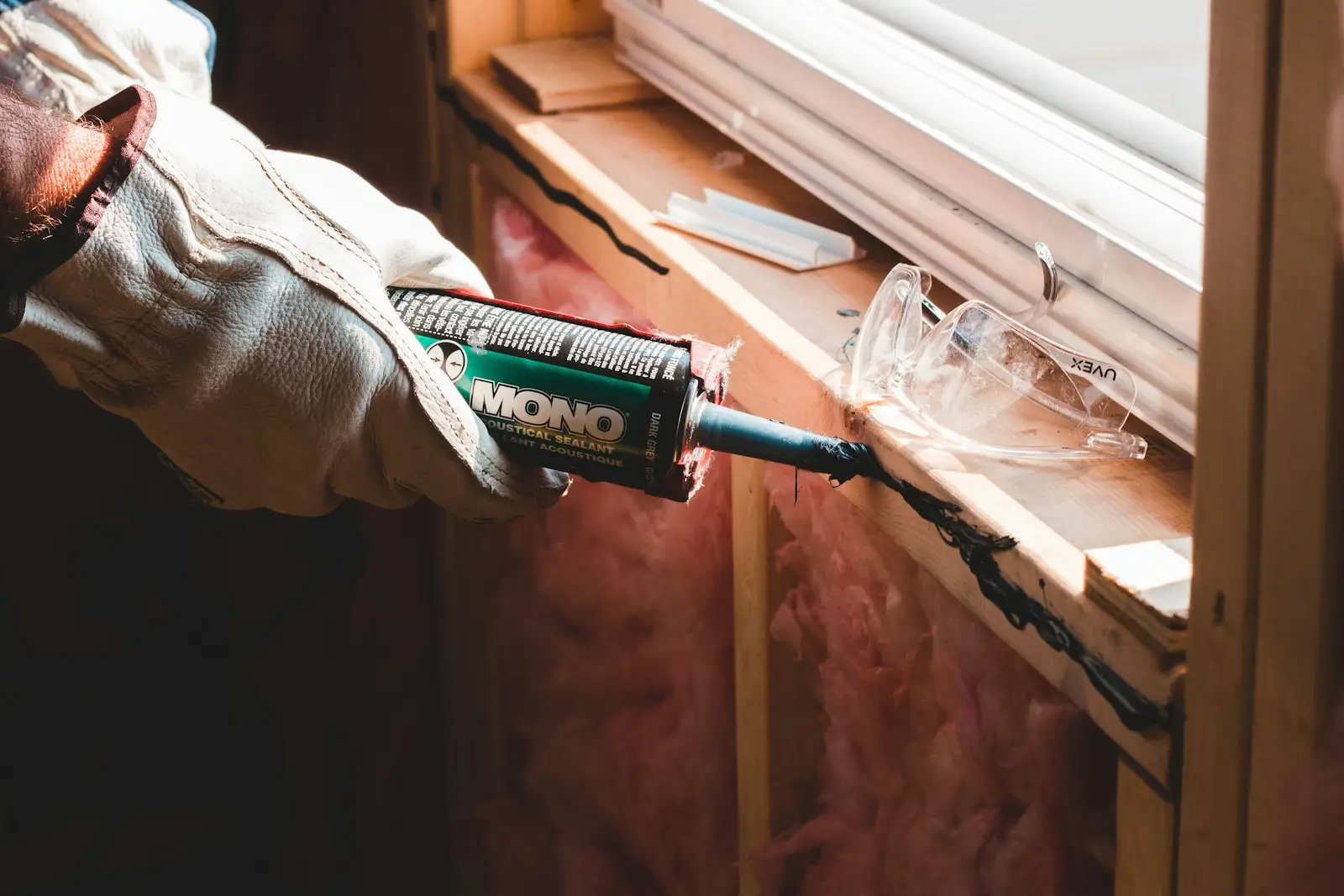
Caulk is your first line of defense, and it is also the first thing to fail. Every spring, look closely at the joints around windows, doors, corner boards and where trim meets siding. Gaps, cracks and shrunken beads all need attention.
Cut out failed caulk, clean the joint, then apply a quality paintable elastomeric or urethane caulk. After it skins over, paint it so ultraviolet light does not break it down. This one habit prevents more rot than anything else on the list.
Manage Water, Plants and Sprinklers
Water is patient. Clean your gutters twice a year so overflow does not sheet down the fascia and siding. Add downspout extensions to move runoff away from the foundation. Then aim your sprinkler heads away from the house, because a spray that hits the siding every morning will strip paint within a few seasons.
Trim shrubs and tree limbs back at least a foot from the walls as well. Plants trap humidity, block drying airflow and scrape the finish on windy days.
Watch the South and West Walls Closely
Sun does not hit your home evenly. South- and west-facing walls absorb the most ultraviolet light, so they fade and chalk first. Dark colors show it soonest of all. Inspect those elevations more carefully, and expect to recoat them a few years before the shaded sides.
Horizontal surfaces need the same extra care. Railings, window sills, porch floors and deck caps hold standing water, which is why they almost always fail first.
Your Seasonal Paint Care and Maintenance Checklist
You do not need to do everything at once. Instead, spread the work across the year so each task takes an hour or two at most.
| Season | Inside your home | Outside your home |
|---|---|---|
| Spring | Dust walls and vents, wipe trim, check bathrooms for mildew | Wash siding, inspect caulk, look for peeling on sills and fascia |
| Summer | Touch up scuffs, clean cabinet fronts, spot-clean high-traffic halls | Recoat railings and porch floors, trim shrubs back, adjust sprinklers |
| Fall | Wipe kitchen grease, check ceilings for stains, store paint indoors | Clean gutters, seal fresh gaps, finish repairs before the first freeze |
| Winter | Watch for condensation, run bath fans, plan next year’s projects | Clear snow off decks and sills, keep ice dams off the eaves |
If a repaint is on your list, timing helps. Our guide to the best time of year to paint a house exterior in Indiana breaks down the temperature and humidity windows that give paint the best chance to cure properly.
Paint Care and Maintenance Supplies to Keep on Hand
Fast repairs happen when the tools are already in the closet. Stock a small paint care and maintenance kit, and you will actually reach for it.
- Labeled leftover paint from every room, stored above freezing
- Microfiber cloths, a soft sponge and mild dish soap
- Lightweight spackle, a putty knife and fine sanding sponges
- A quality two-inch angled sash brush and a mini roller with the matching nap
- Paintable exterior caulk and a smooth-running caulk gun
- Stain-blocking primer for water marks, crayon and stubborn spots
Signs It Is Time to Repaint Instead of Repair
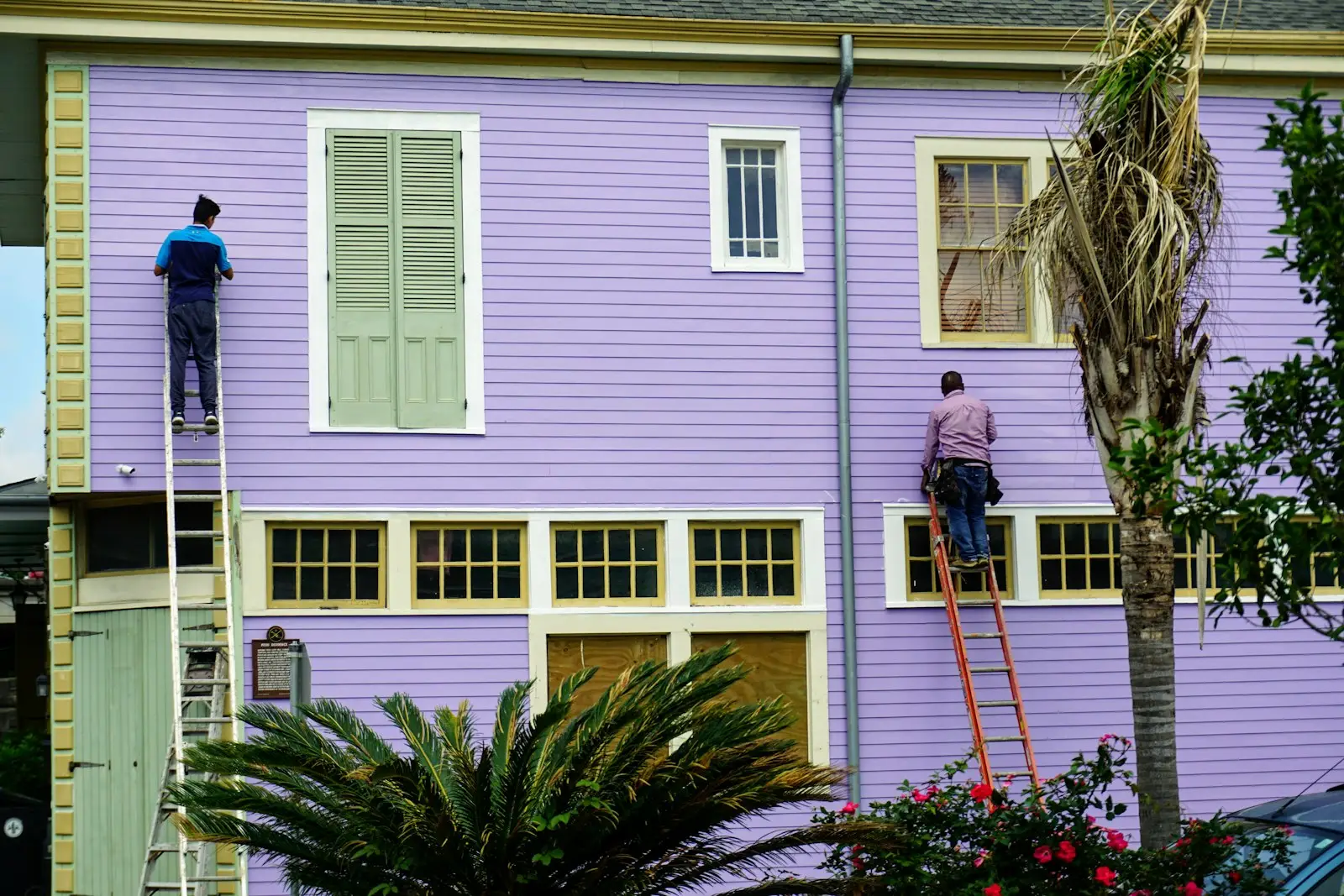
Good paint care and maintenance buys you years, yet no coating lasts forever. Watch for these signals that patching is no longer the answer.
- Chalking. A powdery residue rubs off on your hand, which means the binder has broken down.
- Widespread cracking or alligatoring. A network of cracks shows the film has lost its flexibility.
- Peeling in sheets. Large flakes usually point to moisture or a bond failure underneath.
- Faded, uneven color. Sun-bleached walls will not come back with cleaning.
- Touch-ups that never blend. When repairs always show, the surrounding paint has aged too far.
- Bare wood showing through. Exposed substrate needs primer and paint quickly, before rot sets in.
Not sure how long you should expect between projects? Our room-by-room repainting timeline gives realistic ranges for every space in the house.
When to Call a Professional Painter
Plenty of this work is genuinely simple, and most homeowners can wash walls or fill a nail hole with confidence. Some jobs, though, are worth handing off.
Call a pro for second-story and steep-roof access, for widespread peeling that needs full scraping and priming, for stucco or masonry repairs, and for cabinets or trim that need a sprayed finish. Homes built before 1978 deserve special caution as well, since disturbing old layers can release lead dust. The EPA lead safety resources explain the rules and the risks in plain language.
Before you hire anyone, it also helps to know what separates a careful crew from a cheap one. Our list of 10 things to know before hiring a painter covers the questions that matter most.
Paint Care and Maintenance FAQs
How long should I wait before washing newly painted walls?
Give fresh paint about thirty days before any real cleaning. Latex paint feels dry in hours, yet it keeps curing for weeks. During that first month, dust lightly and blot spills with plain water only.
What is the best cleaner for painted walls?
Warm water with a few drops of mild dish soap handles almost everything. For grease, add a little baking soda to the mix. Save stain-blocking primer for marks that simply will not lift, such as crayon, ink or water stains.
How often should I wash my home’s exterior?
Once a year suits most Indiana homes, ideally in late spring after the pollen settles. Shaded or north-facing walls that grow mildew may need a second gentle wash in early fall.
Can I touch up paint with leftover paint from years ago?
Sometimes, but not always. Stored paint changes slightly, and the paint on your wall fades as it ages. Stir the old can thoroughly, then test a small patch in a low-visibility spot before committing to a repair.
Does higher-quality paint really last longer?
Yes, and the difference is easy to see after five years. Premium products carry more pigment and better resins, so they resist fading, scrubbing and cracking far longer. Manufacturers such as Sherwin-Williams publish care instructions for each product line, which is worth a quick read after your project wraps up.
How do I stop paint from peeling in my bathroom?
Improve the airflow first. Run the exhaust fan during and after every shower, then repaint with a moisture-resistant satin or semi-gloss finish. Flat paint in a steamy bathroom will keep failing no matter how carefully you apply it.
Protect Your Paint, Protect Your Home
Good paint care and maintenance is not complicated. Clean gently, inspect twice a year, seal small gaps early and repaint before failure spreads. Do those four things, and your finish will look sharp for years longer than it otherwise would.
When you would rather hand the work to someone else, AltaVista Painting Pro helps homeowners across Carmel, Westfield, Zionsville, Fishers, Noblesville and Geist keep their homes looking their best. Take a look at our interior painting and exterior painting services, browse the project gallery, or contact our team for a free, no-pressure estimate.
For portfolios, we build this into a multi-building painting maintenance schedule.
AltaVista Painting Pro is Carmel’s 4.9-star painting company — fixed written pricing, Sherwin-Williams and Benjamin Moore paints and a 3-year written warranty. Free in-home estimates across Hamilton County.